
Dr Nemika
Assistant Professor of English. Dayanand Arya Kanya Degree College, Moradabad
Drama

Drama is a literary genre in which a narrative is represented by actors on the stage, through dialogue, action and other dramatic devices. The term ‘Drama’ comes from a Greek word meaning ‘Action’ that is derived from ‘I do’. So a drama is written to be performed.
Components of Drama-
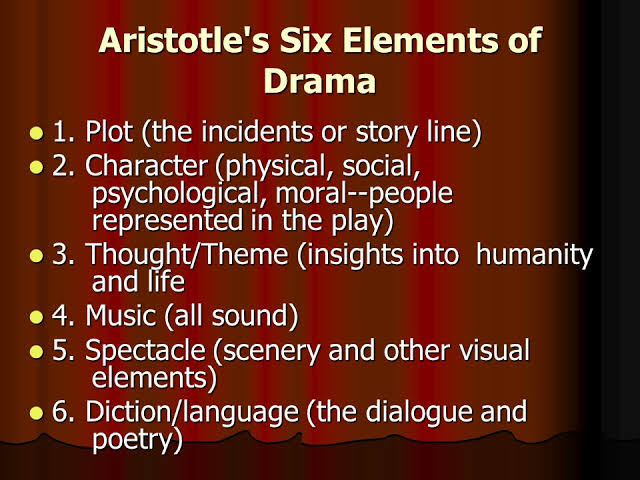
The history of drama goes back to Aristotle and his treatise ‘Poetics’ in which he suggests the following six elements of drama-
Plot
Character
Thought
Diction
Music
Spectacle.
Almost all dramas use all of these elements to some extent, telling a story by means of the interactions of characters, who express their thoughts through language within a particular visual setting and music (songs).The balance of these elements, however, varies from play to play.
Types of Drama-
Basically there are four types of dramas
Tragedy– action is serious with a tragic ending. For example, Hemlet by William Shakespeare.
Comedy– action is non-serious with a happy ending. For example, The Way of the World by William Congreve.

Tragicomedy– mixing of tragic and comic elements. For example, The Tempest by William Shakespeare.
Melodrama– a romantic drama characterized by sensational incident, music, and song. Tamberlaine by Christopher Marlowe.
Though there are some other types of drama too; mime, opera, street theatre, theatre of Cruelty, morality play, mystery play etc.
Evolution of English Drama-
Liturgical Drama–
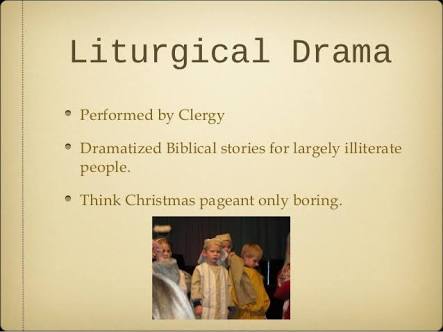
The origin of the drama in any language is deep-rooted in its culture’s religious predispositions . Same is the case with English drama.In ancient times Greek and Roman dramas were mostly concerned with religious ceremonials of people. The liturgical drama was part of the Easter or Christmas church service (liturgy), consisting of the staging of separate episodes from the Gospel. They were dramatization of the major events of Christ’s life, such as the Birth and the Resurrection, and were enacted by priests right in the church.
Mystery and Miracle plays-
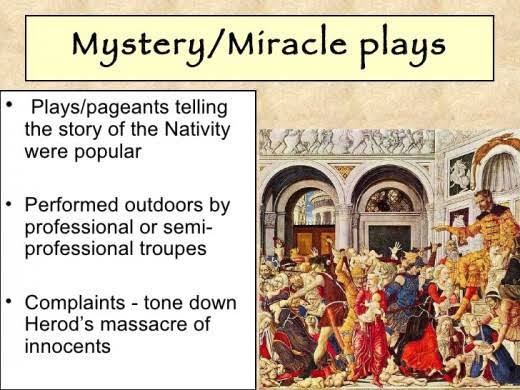
The next stage of development comes with Miracle and Mystery plays. Mystery and Miracle plays were performed by the Clergies in the church or outside of the church. Where Mystery plays focused on the representation of Bible stories in churches Miracle plays or Saint’s plays, are now distinguished from mystery plays as they specifically re-enacted miraculous interventions by the saints, particularly St. Nicholas or St. Mary, into the lives of ordinary people, rather than biblical events.
Morality Plays-Alongside the Mystery plays, in the later Middle Ages, dramas known as Morality plays developed. Instead of enacting events from the Bible, morality plays focused instead on the spiritual struggles of individual souls. Vices and Virtues, such as deceit or kindness, or the Seven Deadly Sins, or the even more abstract Good and Evil, are personified and presented as debating or struggling against one another while the eternal destiny of the human protagonist hangs in the balance. The most famous of these plays is Everyman, which is still performed today.
Interludes– This form of drama succeeded the Moralities or Moral Plays in the transition to the romantic or Elizabethan drama. In its form Interludes are usually short, merry, and farcical. Interludes- were introduced on the stage between the parts or in the course of the main entertainment; also, any similar by-play or episode or incident occurring in other circumstances. It was the immediate precursor of Elizabethan comedy.

John Heywood, one of the most famous interlude writers, brought the genre to perfection in his The Play of the Wether (1533) and the play called The Foure P.P. (c. 1544).
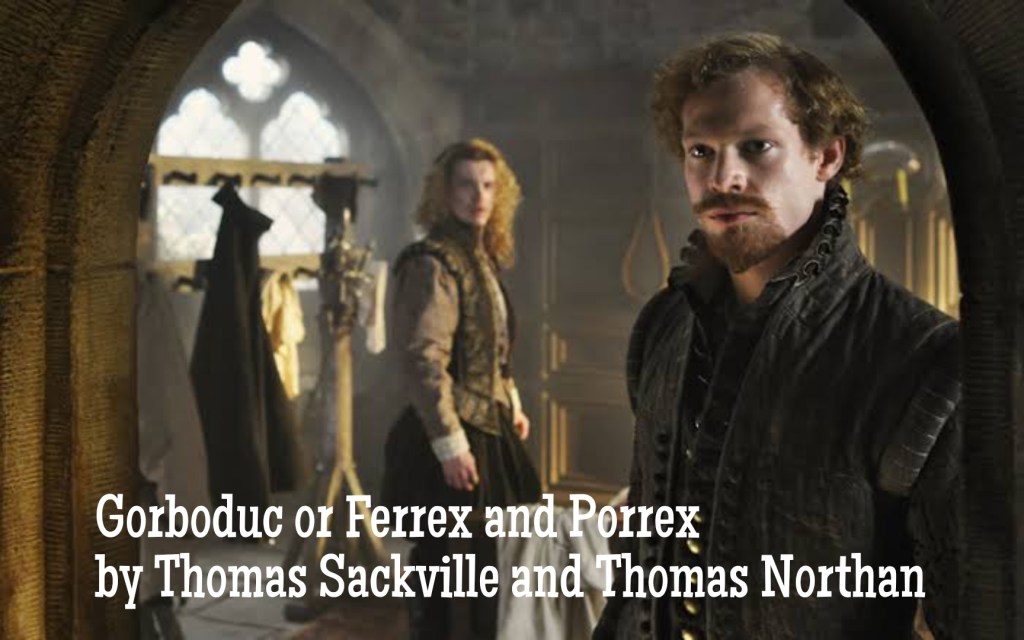
The Beginning of Regular Tragedy- In between 1530 and 1580 the drama in England underwent a dramatic change. With the dawn of the Renaissance in this period English dramatists started looking back to the ancient Greek and Roman dramatists. As a result the first tragedy “Gorboduc” was written by Thomas Sackville and Thomas Northon around 1562. It was written in blank verse and divided into acts and scenes.
After this era, the English drama developed gradually into regular form of drama which flourish during Elizabethan reign and which known till today.
The Beginning of Regular Comedy-
In comparison to tragedy English comedy had a well-rooted native tradition and has a little influence of Plautus and Terence. A major contributor to the evolution of comedy through interludes is John Heywood. The first regular English comedy was Ralph Roister Doister that came in 1550 by Nicholas Udall, head master of Eton.
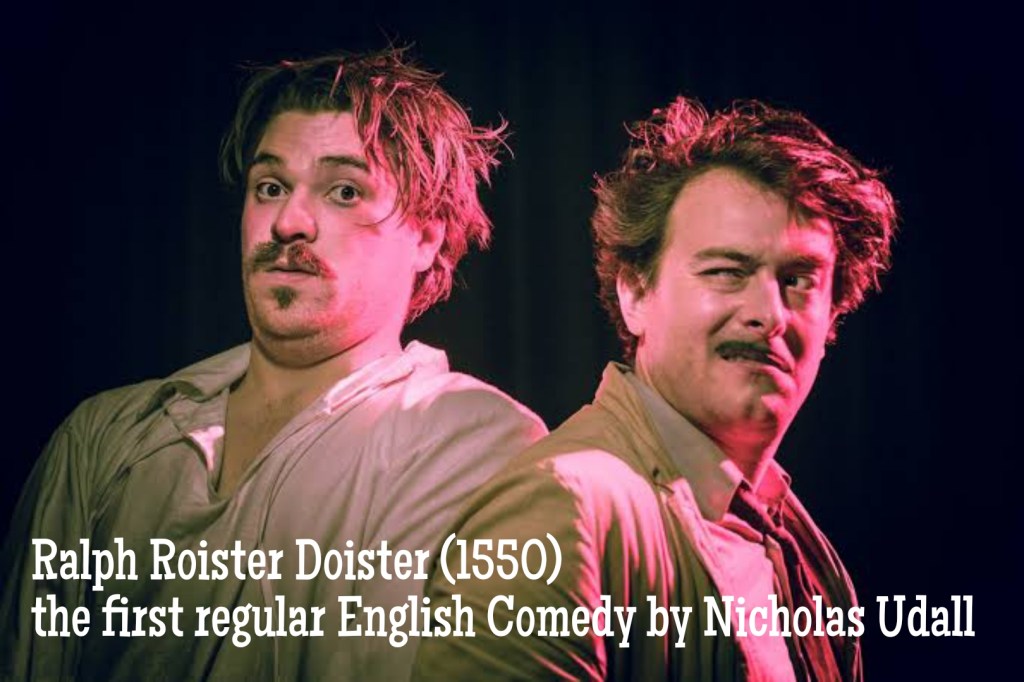
Greatly inferior to Roister Doister is the comedy Grammer Gurton’s Needle dated about 1553, and generally ascribed to John Still. Gradually, under the influence of Latin,both the plot and the characters were now conceptualized to meet the demands of comedy as a genre.
From liturgical plays to regular comedy and regular tragedy , it is evident how far the drama has advanced. Therefore, English drama gradually develop from the liturgical drama to Miracle and Mystery plays, continuously to Morality and interlude followed by the influence of classical model and finally evolve to the regular drama forms which known till today.
References:
Albert,Edward. (1979). History of English Literature. New Delhi: Oxford University Press.
Long, William.J.(2014). English Literature. Noida: Maple Pres Ltd
https://www.josbd.com › write-a-not…
Write a note on origin and growth of English drama. – http://www.josbd.com
 English Learners